Carpentry Dynasty · Available on Amazon
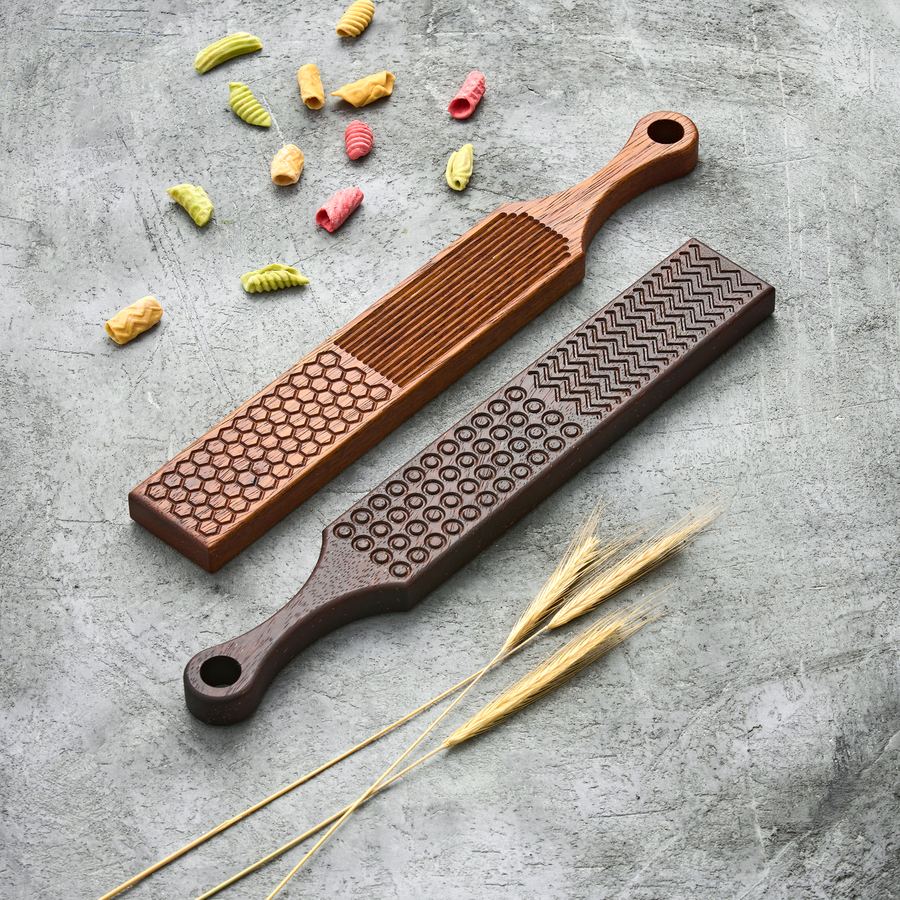
Wooden gnocchi board
Use the ridged surface to shape gnocchi that hold sauce. Visit Amazon for the current price, availability, shipping, and returns.

• kitchen tool •
How a gnocchi board changes shaping, sauce coverage, and presentation.
A gnocchi board is a small kitchen tool with a grooved surface. Roll a piece of dough across it to leave a clear pattern of ridges.
A gnocchi board forms grooves that catch sauce on the surface of each piece instead of letting it collect at the bottom of the bowl. That gives each bite a more consistent balance of gnocchi and sauce.
Place, press, and roll. The motion is simple and repeatable, so you can shape a full batch noticeably faster and with less effort than you can with improvised tools. The difference is especially clear if you make gnocchi often.
The pieces come out more uniform, with a defined pattern that remains visible after the sauce is added.
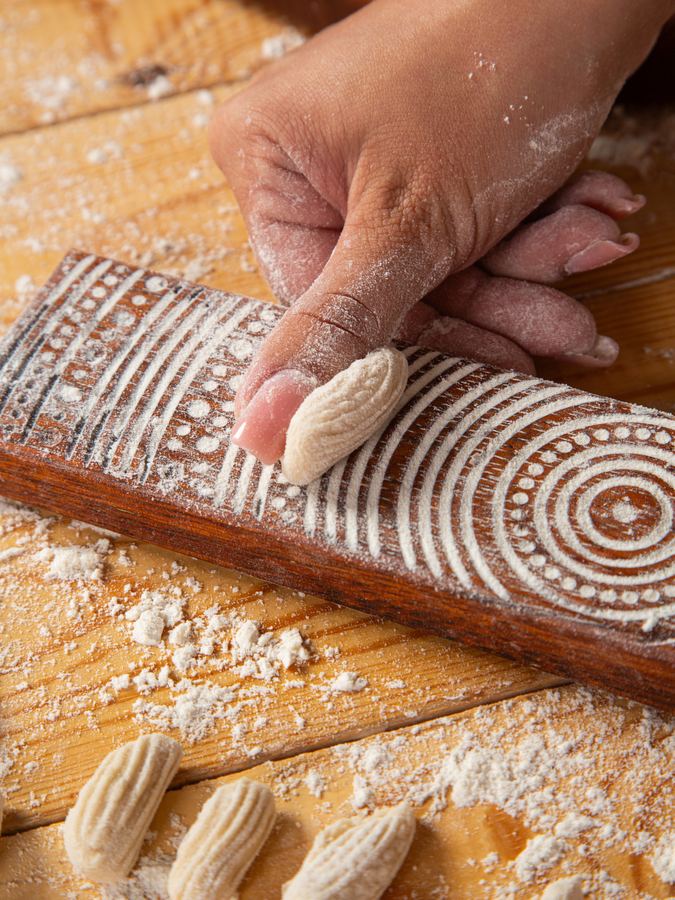
Place · press · roll
Roll the dough into a rope and cut it into pieces about three-quarters of an inch (two centimeters) long. Then repeat the same motion for each piece:
These boards are made by Carpentry Dynasty, the family woodworking shop behind World of Gnocchi. That is why we can explain their wood, groove patterns, and everyday use in detail. The board shown here is our own product.
A well-shaped ridge gives sauce somewhere to hold on. Save 15% on our gnocchi board when you order through Amazon.
Made by Carpentry Dynasty
Amazon promo codeWOFG15
Enter WOFG15 at checkout. The discount applies to eligible items while the Amazon promotion is active.
Carpentry Dynasty · Available on Amazon
Use the ridged surface to shape gnocchi that hold sauce. Visit Amazon for the current price, availability, shipping, and returns.
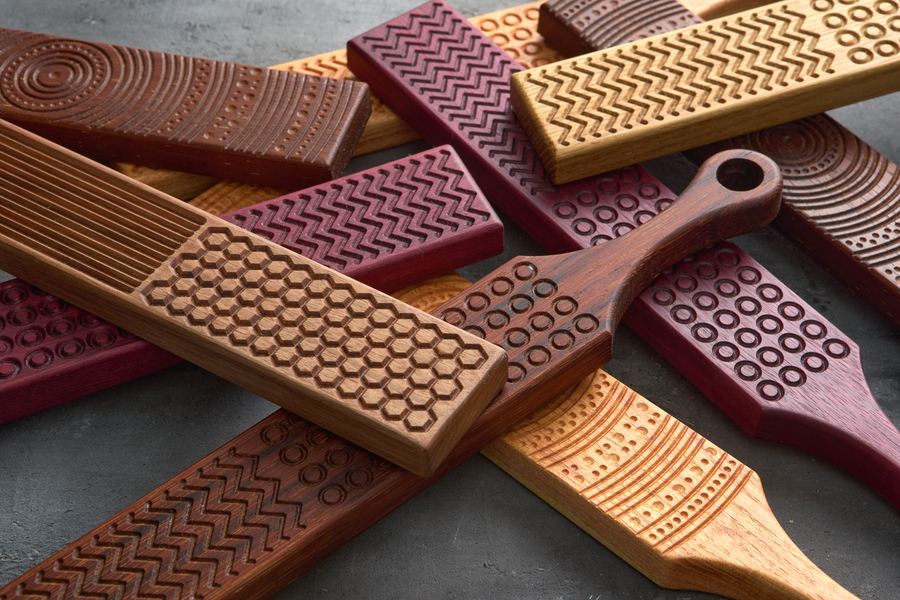
Gnocchi boards vary in groove pattern and depth, work-surface size, material, and whether one or both sides are usable.