
Vegetable Gnocchi
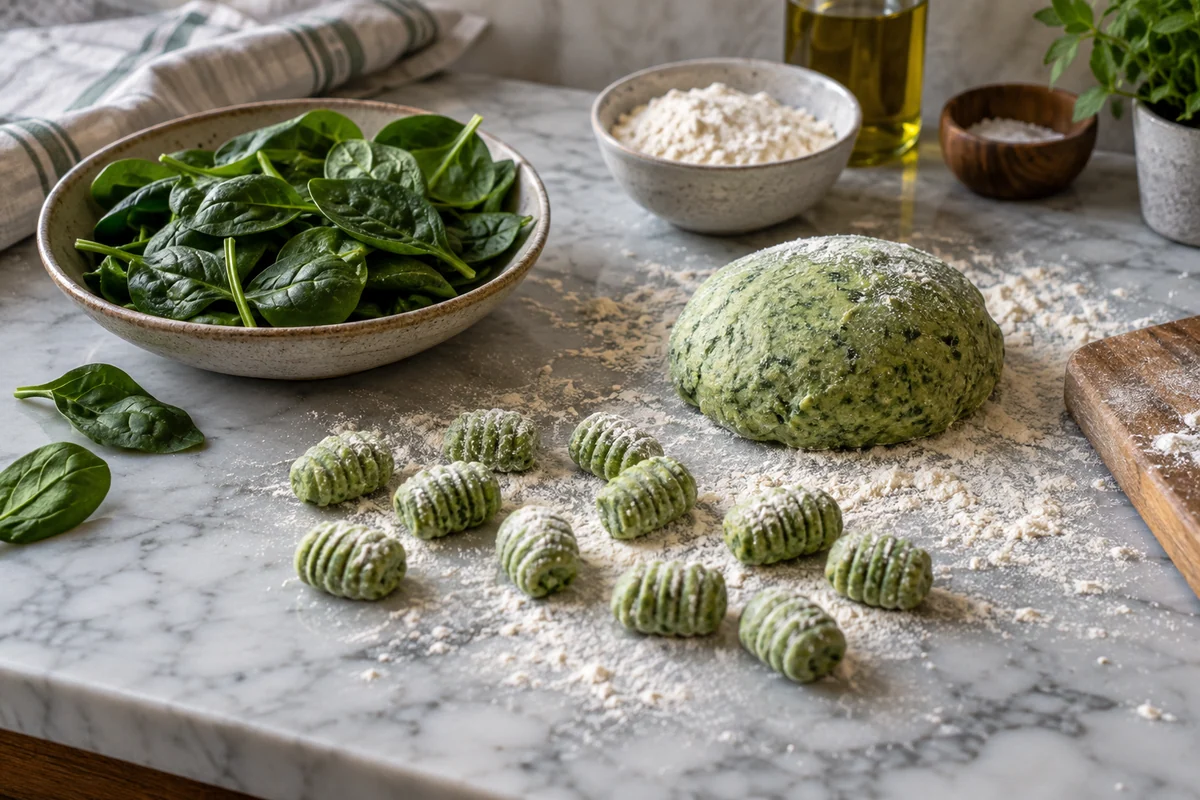
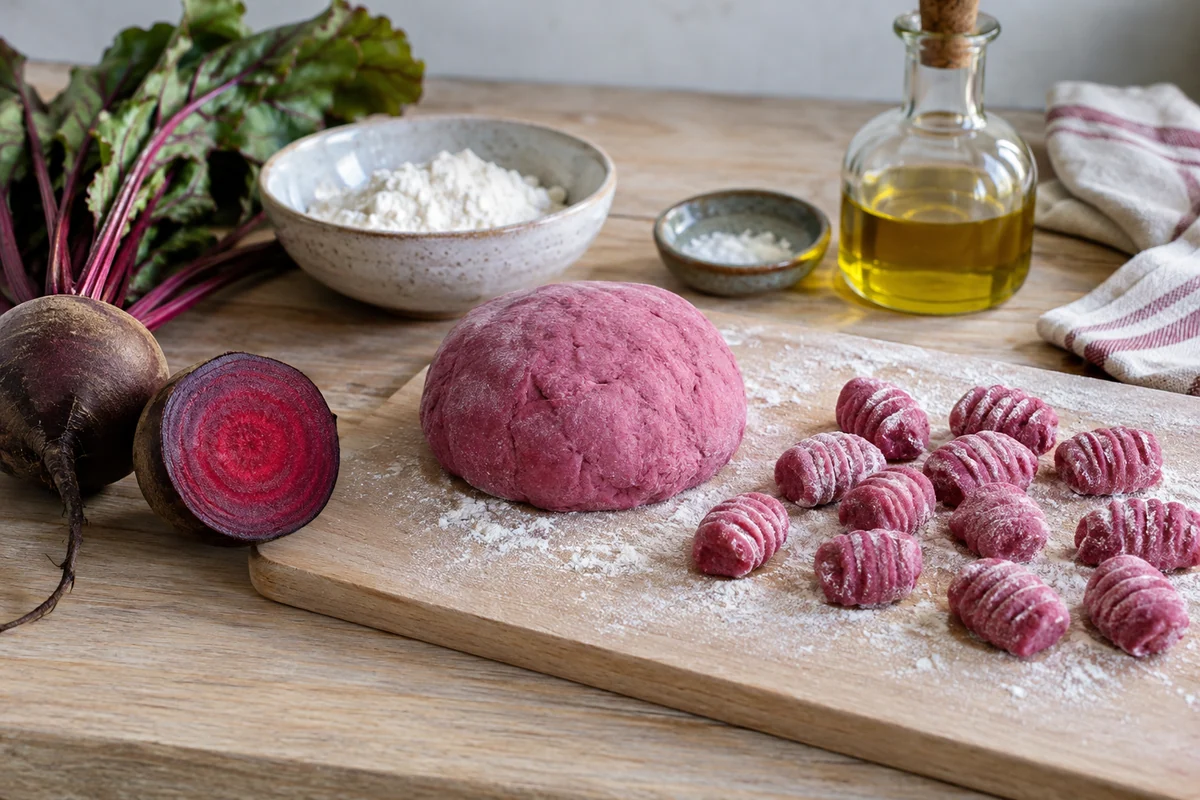
Vegetables do more than color gnocchi. Beets bring earthiness, squash adds sweetness, and leafy greens give the dough a fresher, more savory edge.
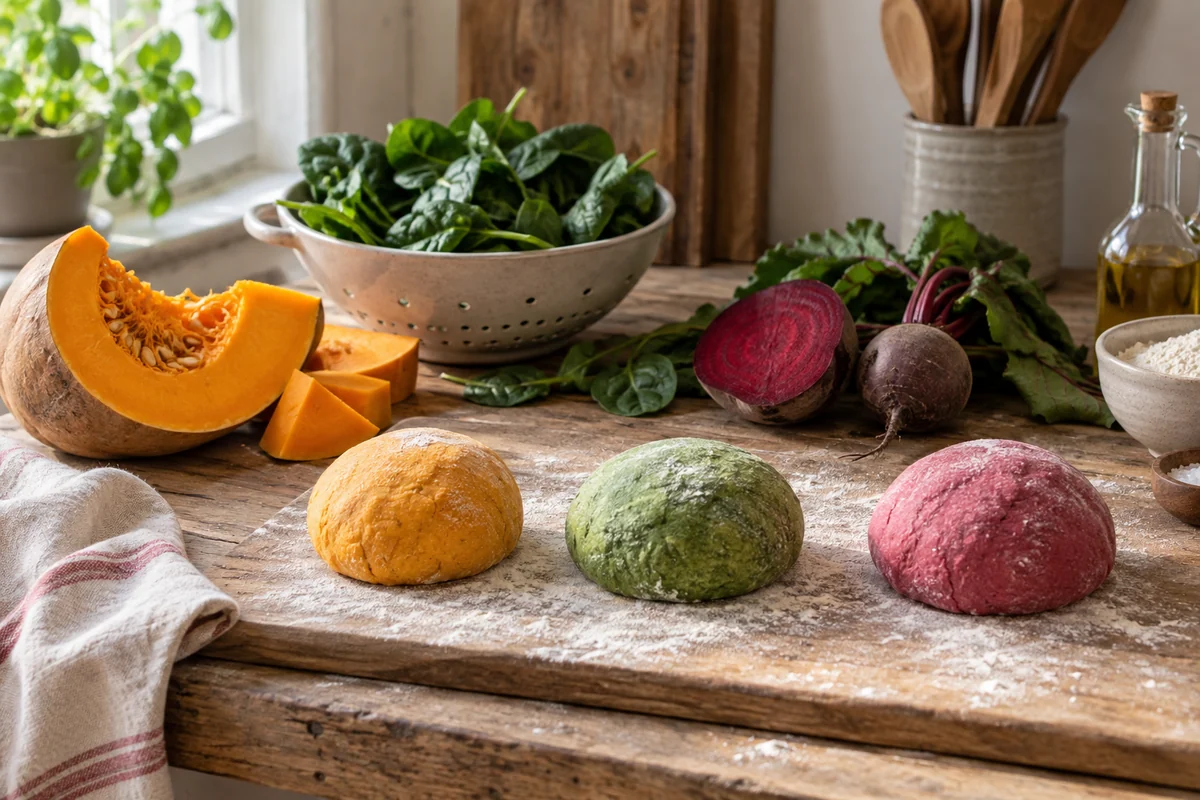
The vegetable belongs to the dough
A plate of potato gnocchi with roasted carrots is different from carrot gnocchi. Here, the vegetable is part of the dumpling. Potato still appears in many of these doughs, giving structure to a softer vegetable puree.
A wider range of flavors
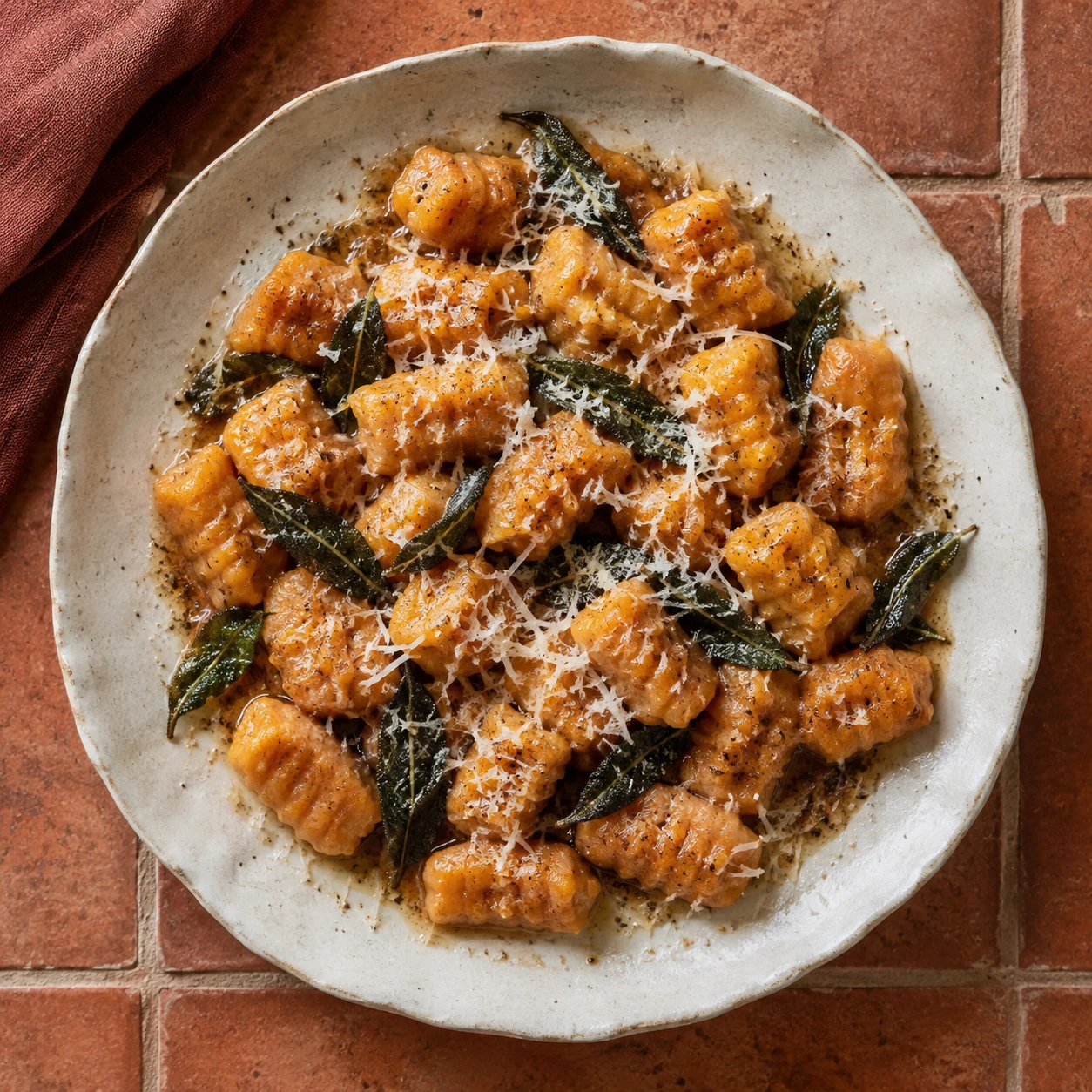
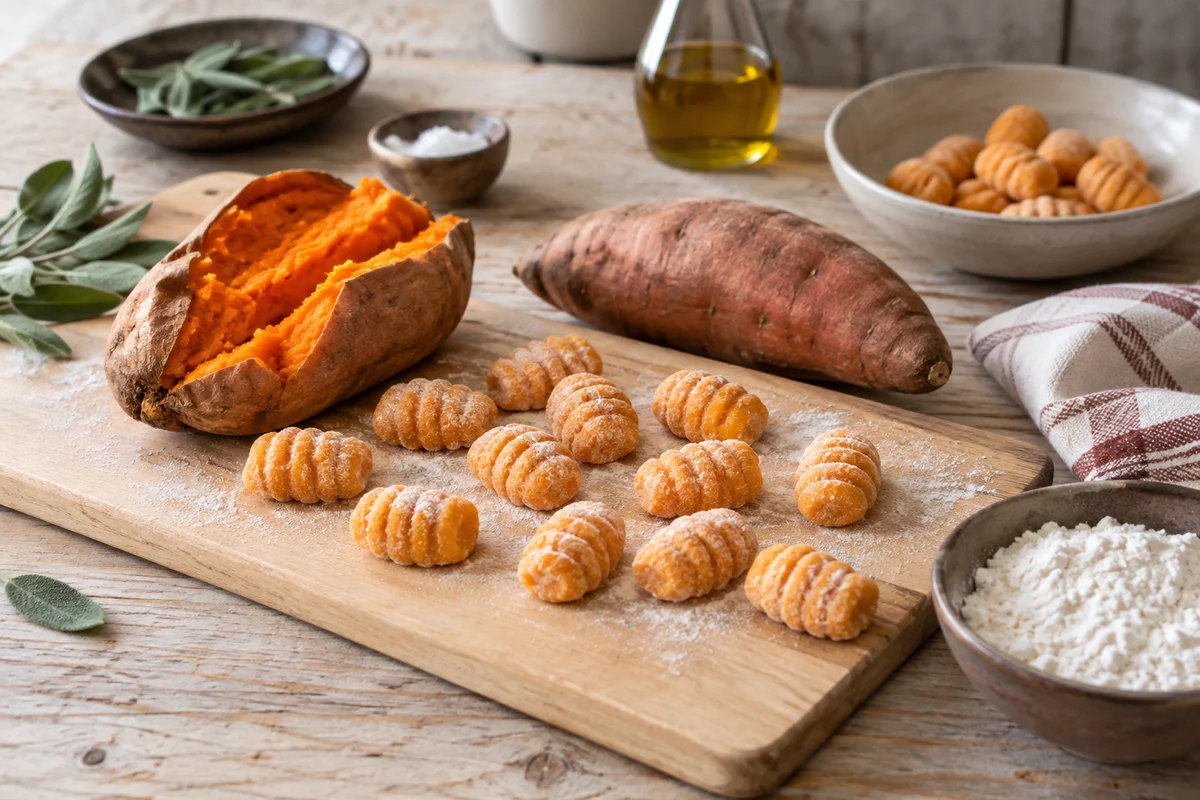
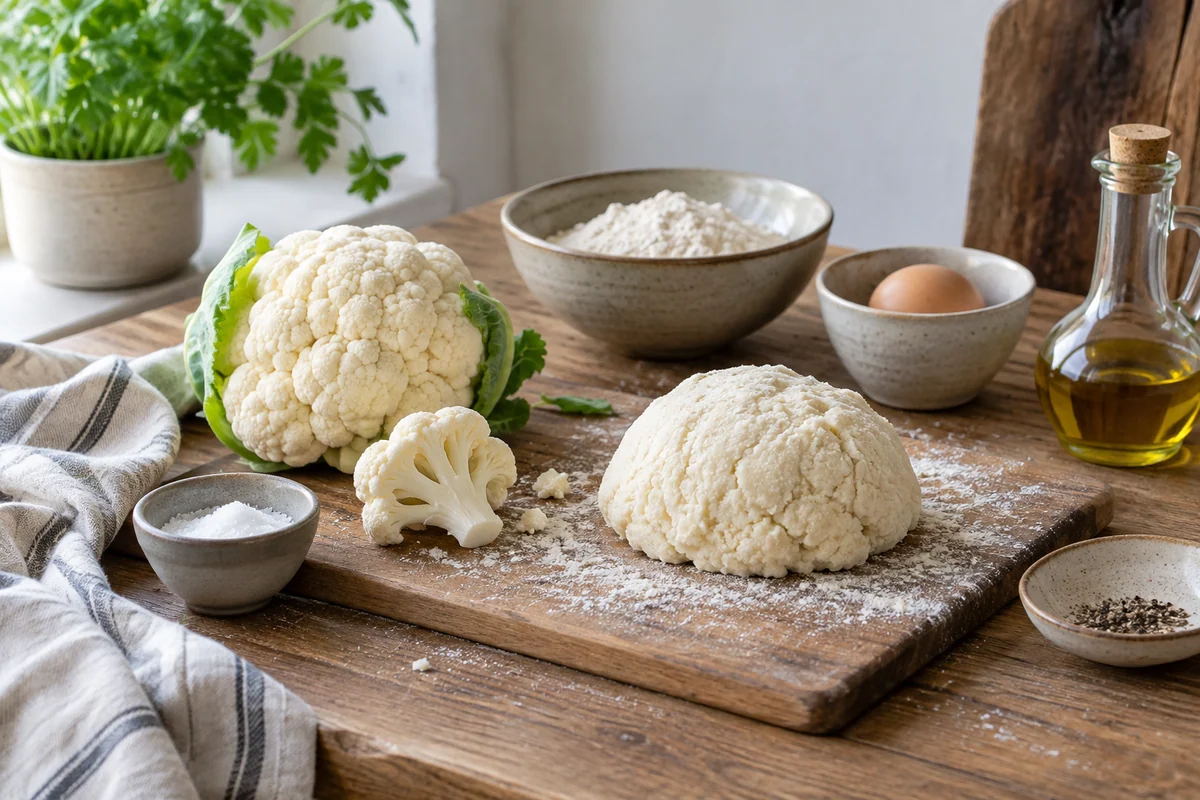
Sweet potato and winter squash suit browned butter, nuts and salty cheeses. Greens and zucchini lean toward herbs, lemon and tomato. Cauliflower is mild enough for either approach, while beets have a more pronounced flavor that holds its own beside sharp cheese or citrus.
Explore the variations
Carrot Gnocchi
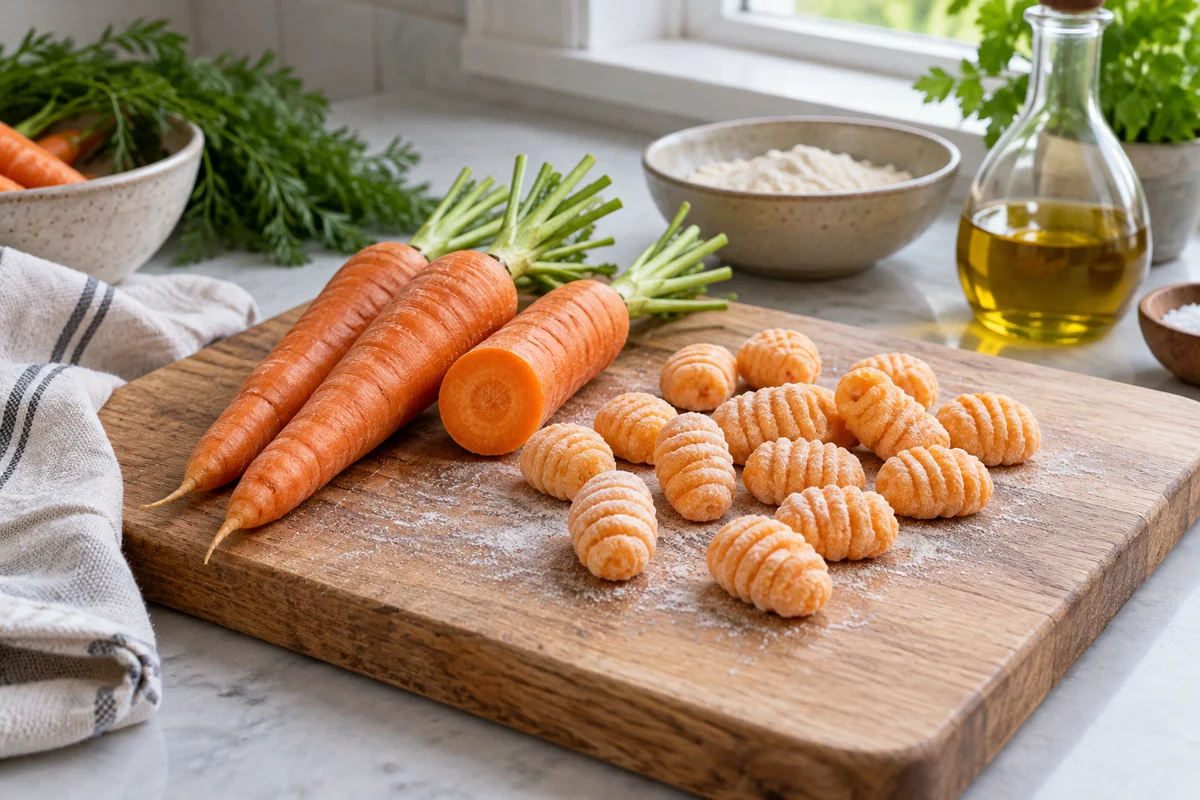
Carrots give gnocchi a warm orange color and a sweetness that stays gentler than the flavor of sweet potato.
Sweetness with a savory edge
Carrot shares the dough with potato, so its flavor is noticeable without dominating the dumpling. Thyme's woody aroma and the saltiness of Parmesan give that sweetness a savory setting. The result is a gentler root-vegetable dough than beet or parsnip gnocchi.
Parsnip Gnocchi
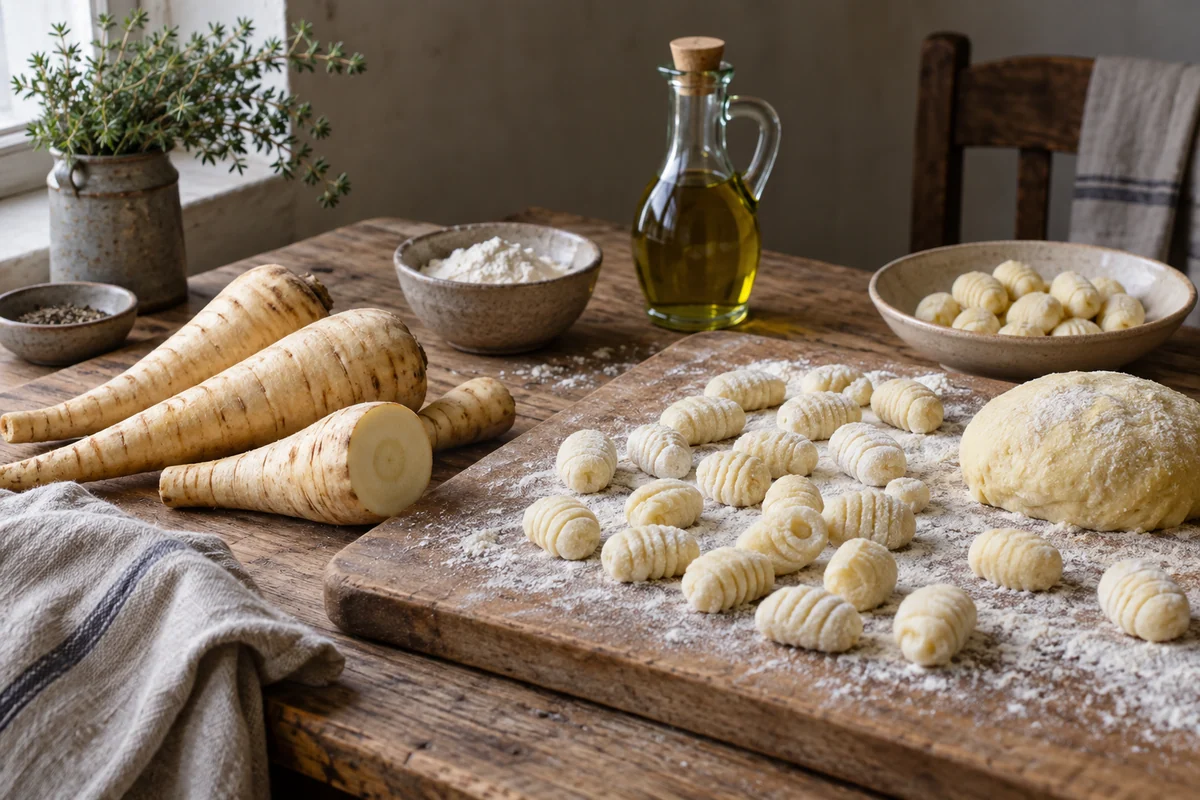
Parsnip gnocchi are pale in color but have a more pronounced flavor than plain potato. Their sweetness comes with an earthy, slightly spicy edge.
A root vegetable with character
Parsnip and potato share the dough, bringing the root's distinctive flavor into a familiar texture. Cider adds acidity, bacon brings salt, and toasted nuts echo its earthy side. It is a more assertive combination than a plain potato dough with butter.
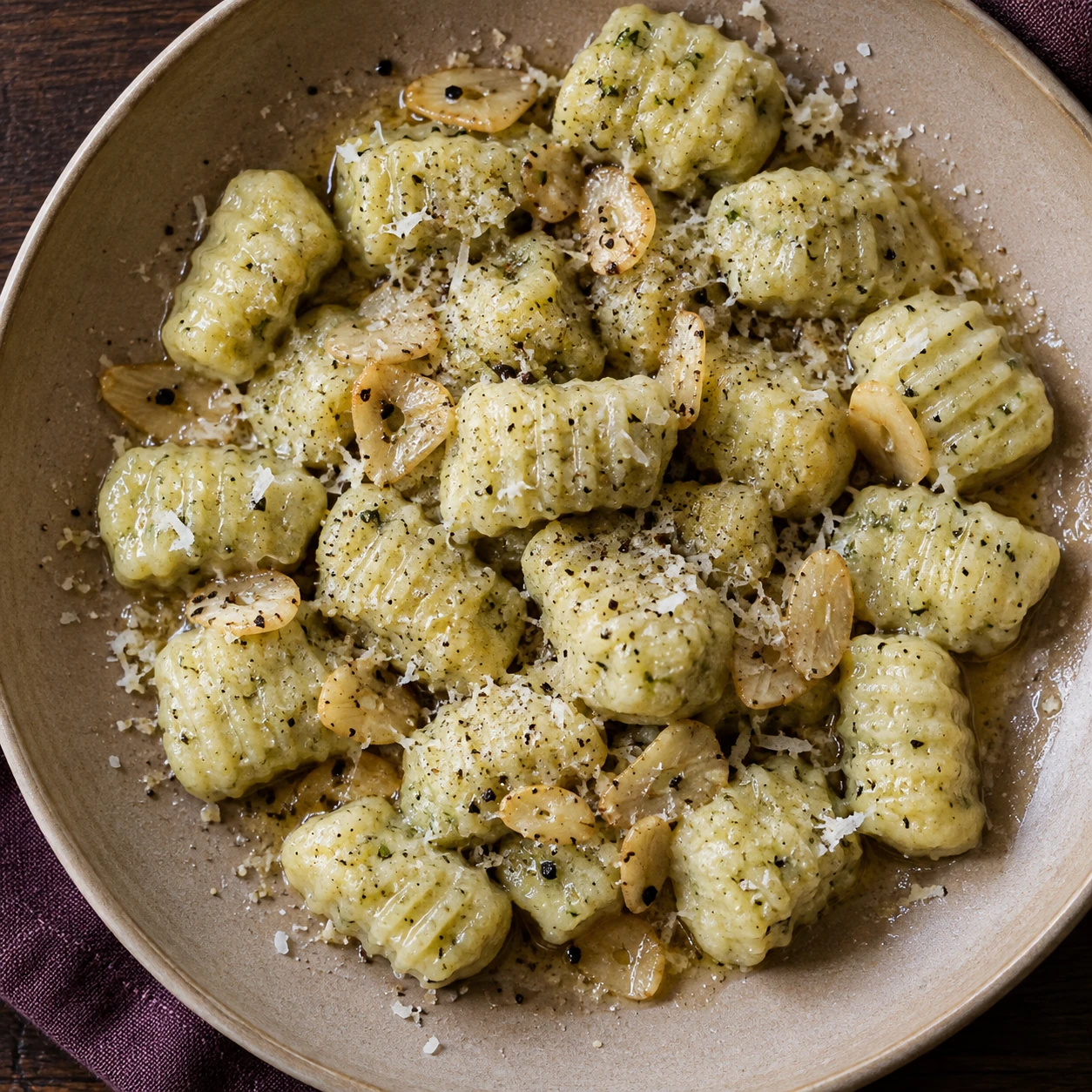
Kale Gnocchi
Kale brings a more assertive leafy flavor to gnocchi than spinach, with green flecks through a potato-based dough.
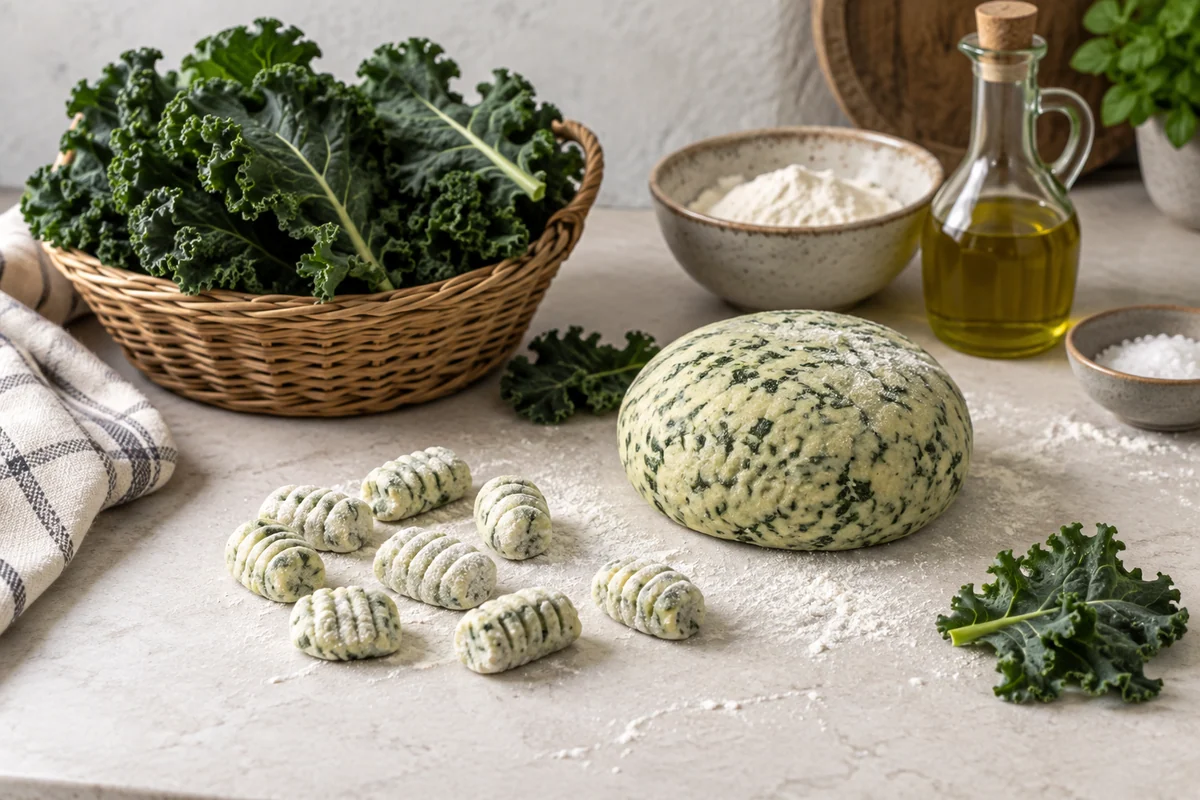
A green that stands up to bold flavors
Tomato and chile can match kale's robust flavor, while lemon and pine nuts give it a brighter setting. A crisp surface adds a toasted contrast to the greens. The recipes include different flour mixtures, including a vegan gluten-free dough, rather than one kale recipe with several sauces.
Ube Gnocchi
Ube gives gnocchi a purple color and a gently sweet flavor. It is a purple yam, distinct from the purple sweet potatoes used in other doughs.
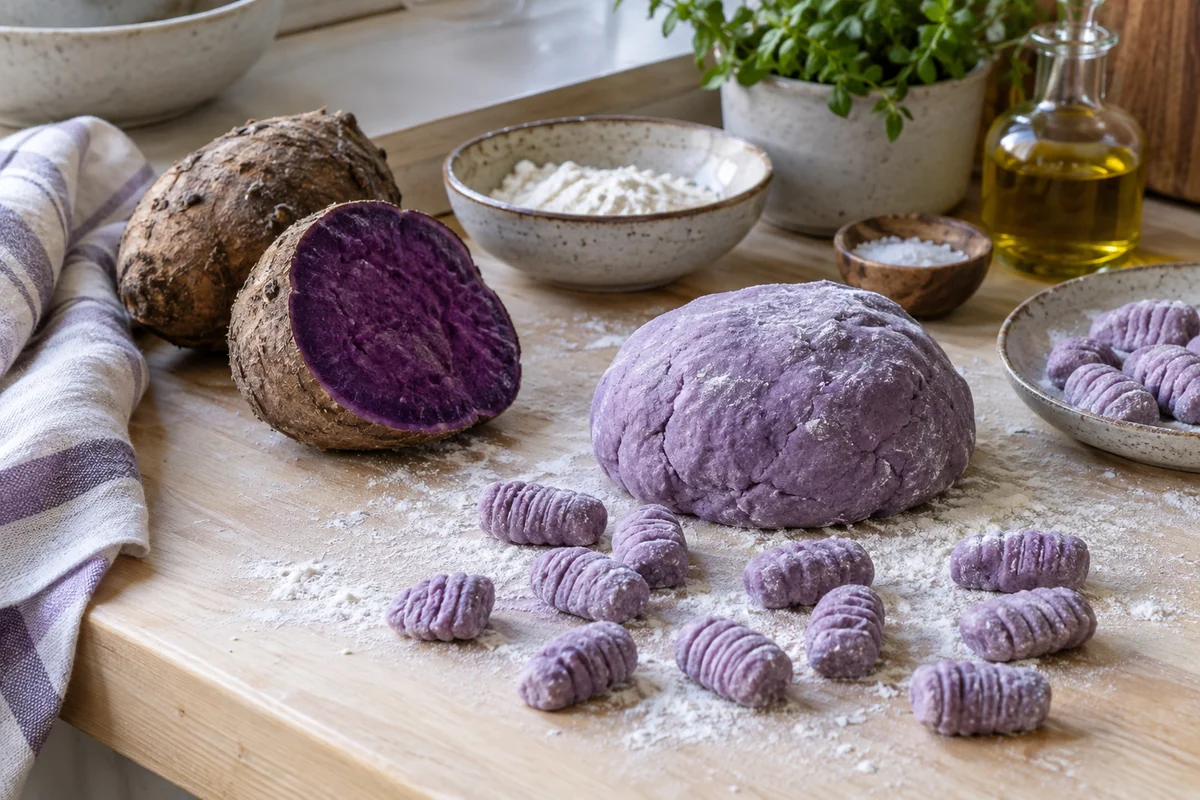
A savory setting for ube
Ube shares the dough with potato here. Coconut echoes its mild sweetness, while calamansi, a tart citrus, and chile add sharper contrasts. The combination has a different character from orange or purple sweet potato gnocchi, despite the similar colors.
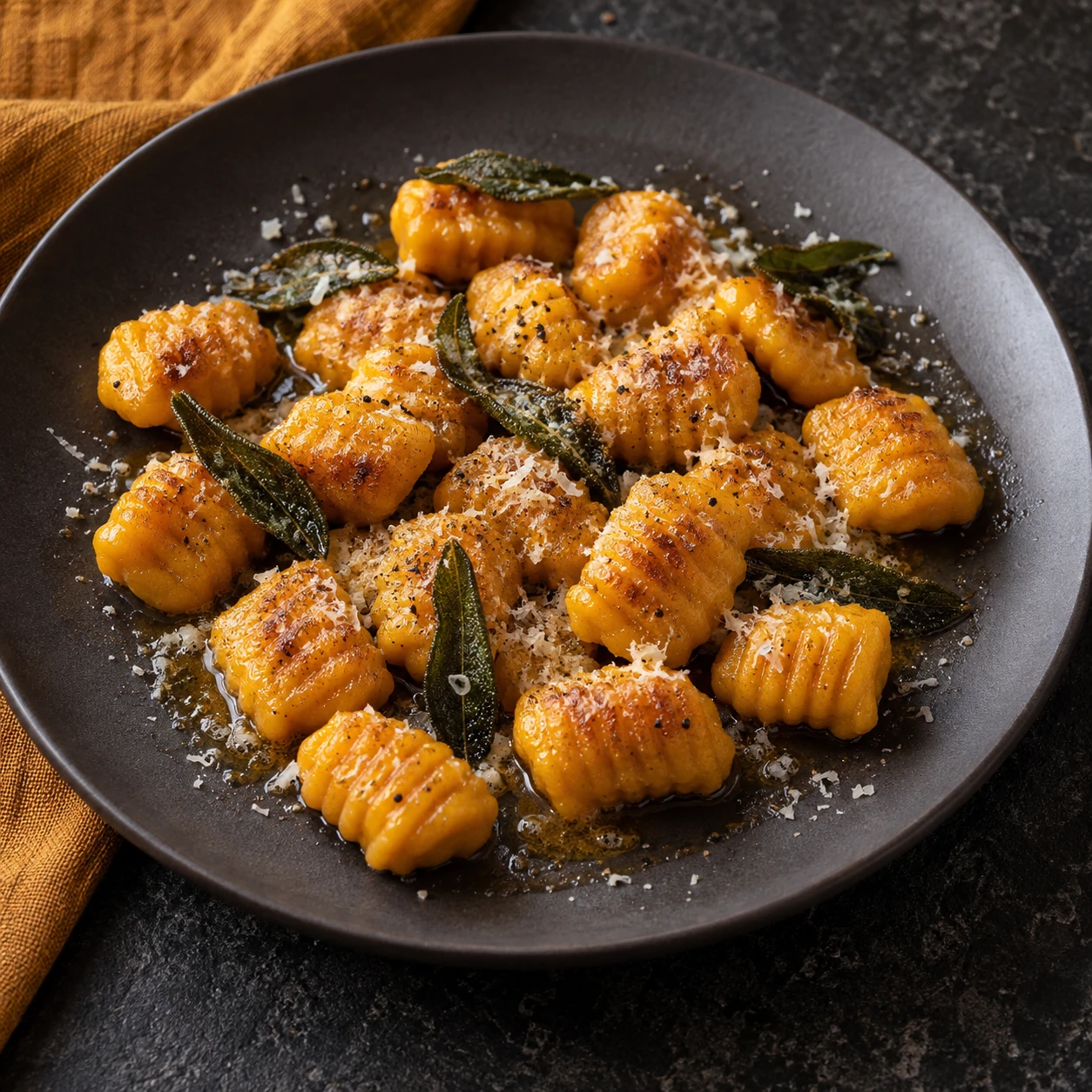
Butternut Squash Gnocchi
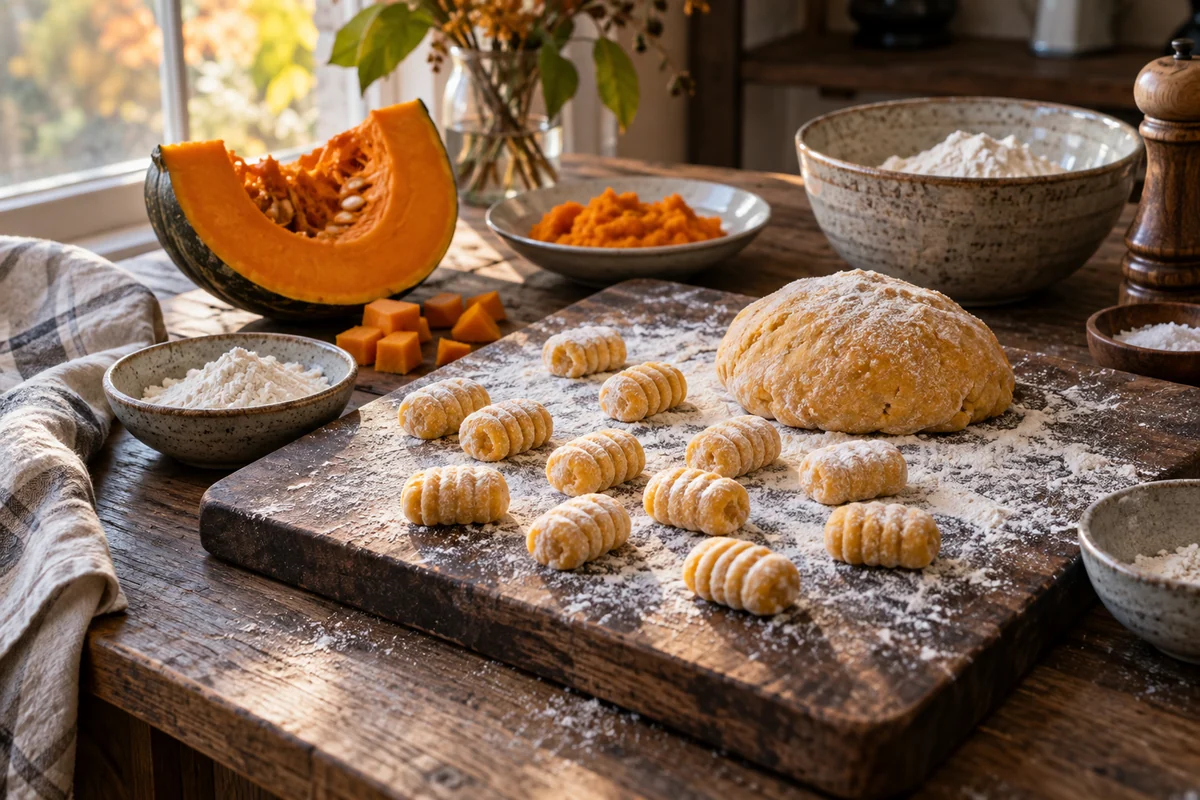
Butternut squash gives these gnocchi their main flavor and warm color. The dough has no potato, keeping the squash at the center of the dish.
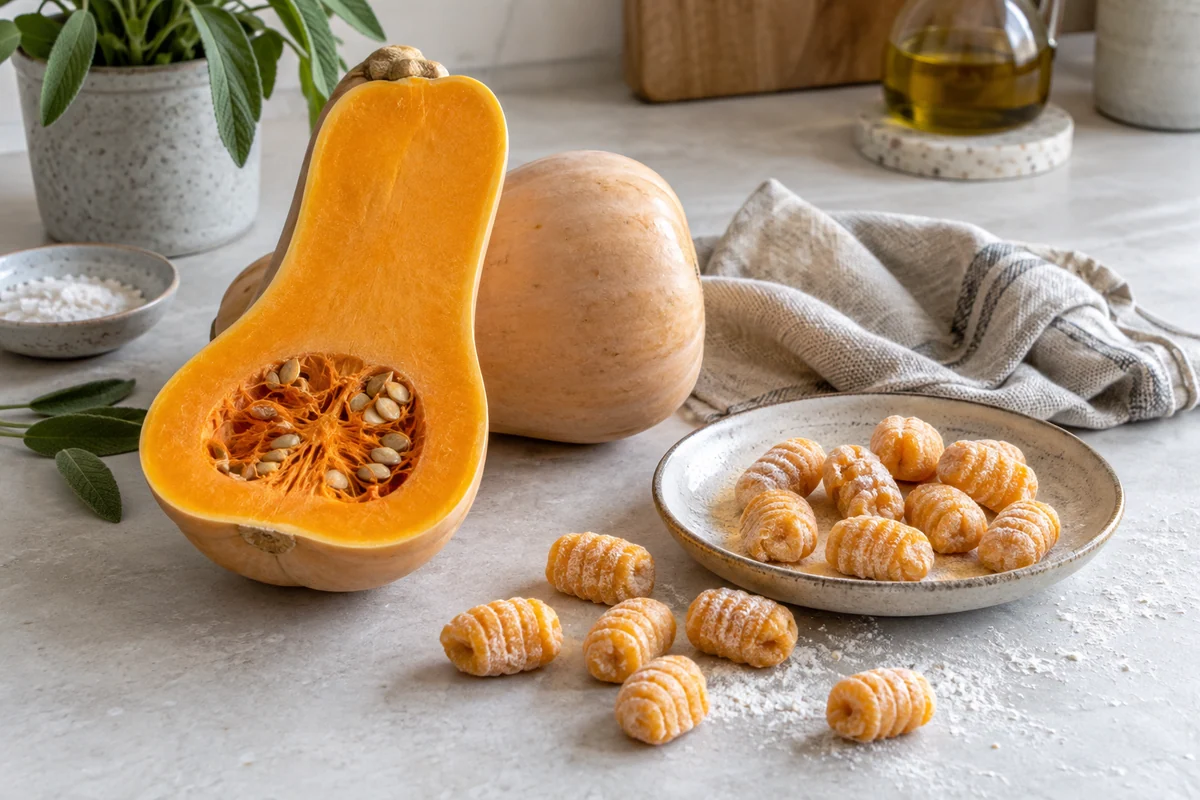
A squash dough in its own right
Roasted butternut has a sweet, rounded flavor that suits sage, butter and salty cheese. Pumpkin gnocchi on this site combine canned pumpkin with potato; this version is built around the squash itself. The distinction matters to both the flavor and the texture of the dumpling.