
Flour, Grain and Bread Gnocchi
A different flour can change more than the structure of gnocchi. Corn brings sweetness, buckwheat adds a toasted flavor, and sourdough contributes a gentle tang.
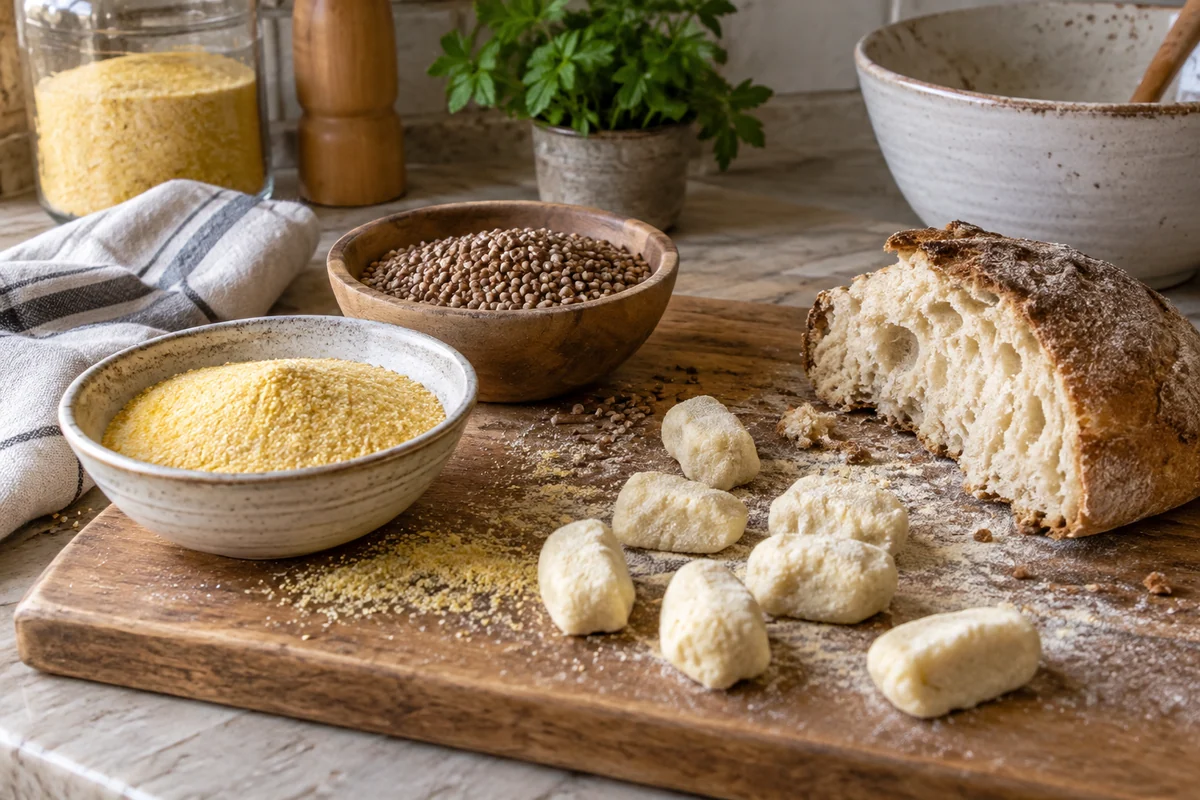
Grains with a recognizable flavor
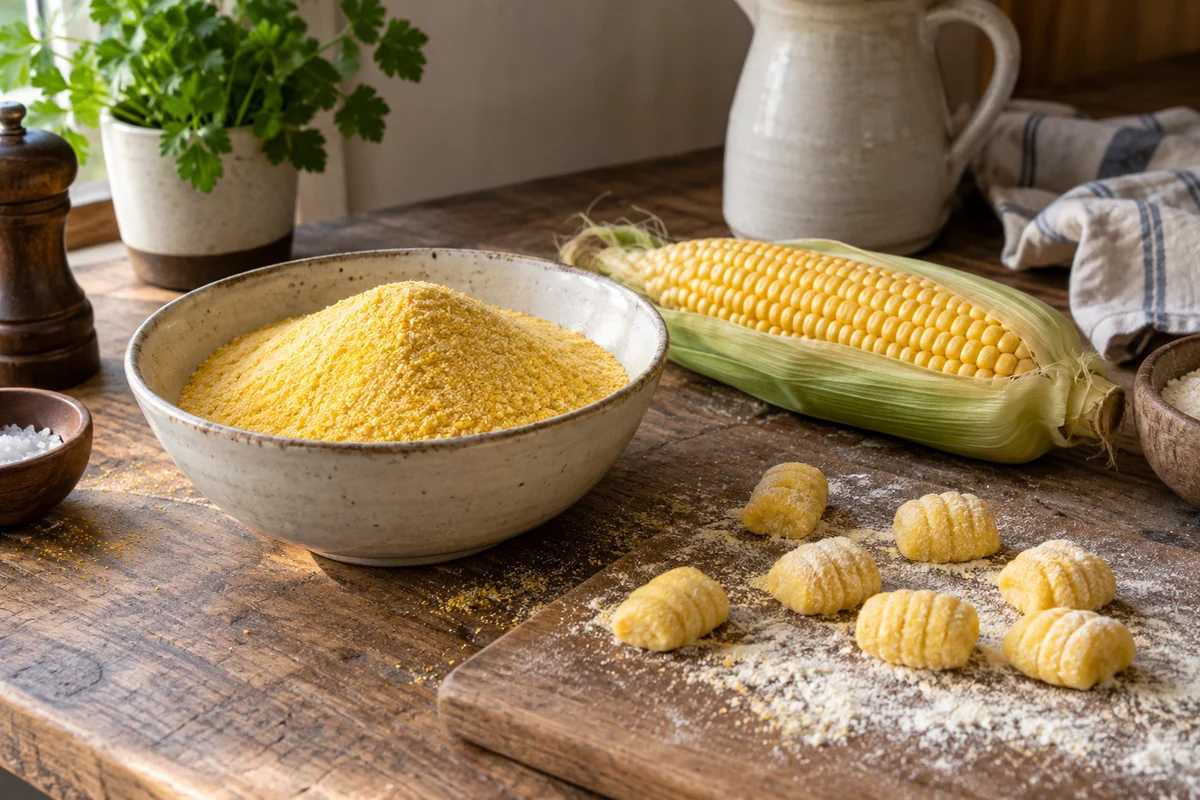
Cornmeal, masa harina and fresh corn all bring something different to corn gnocchi. Buckwheat has a deeper, earthier flavor. In these recipes, grains often share the dough with potato rather than replacing it.
Beyond a bag of flour
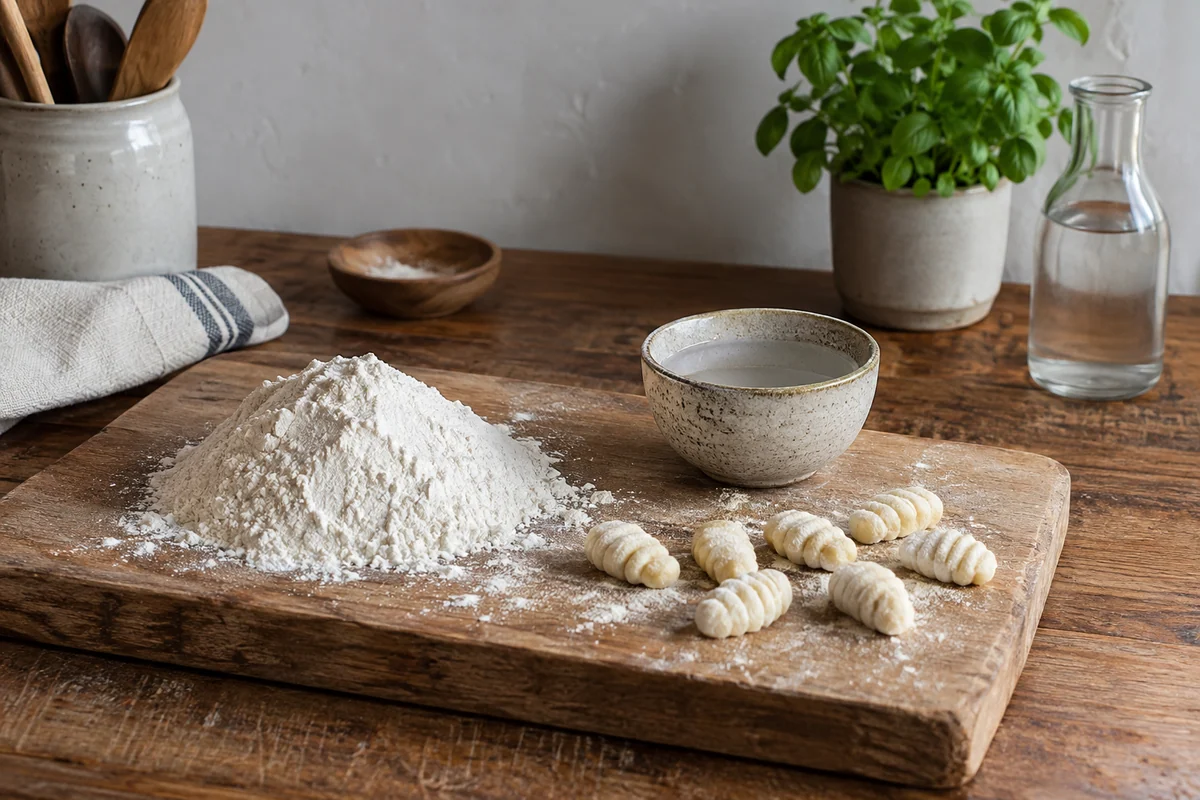
Bread gnocchi belong to the soft, bread-dumpling end of the family. Sourdough gnocchi draw on the flavor of starter discard. Potato-free flour gnocchi are different again, ranging from simple flour-and-water dough to the butter-and-egg richness of Parisian choux.
Explore the variations
Buckwheat Gnocchi
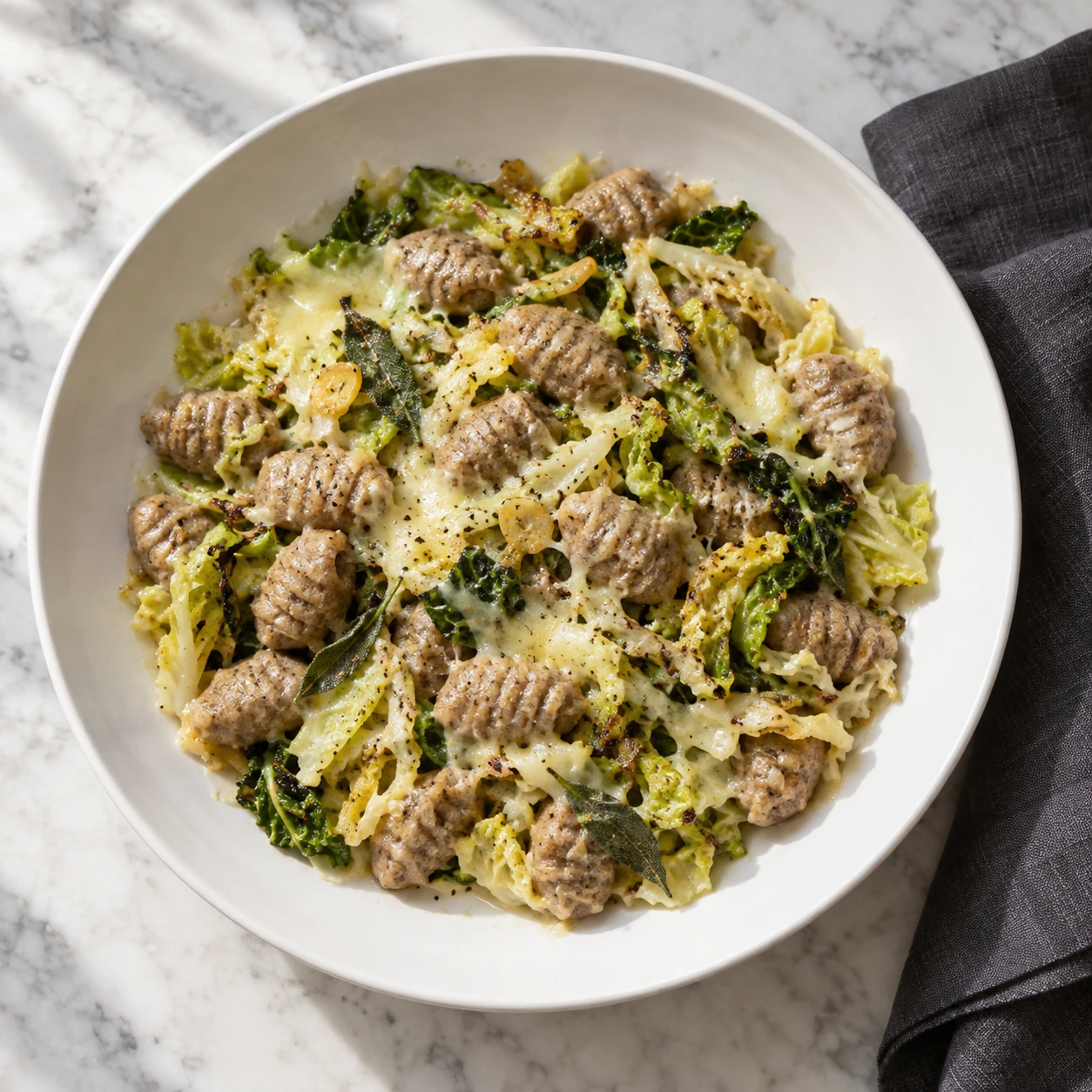
Buckwheat gives gnocchi an earthy, nutty flavor and a darker dough. It is a noticeable change from mild white-flour potato gnocchi.
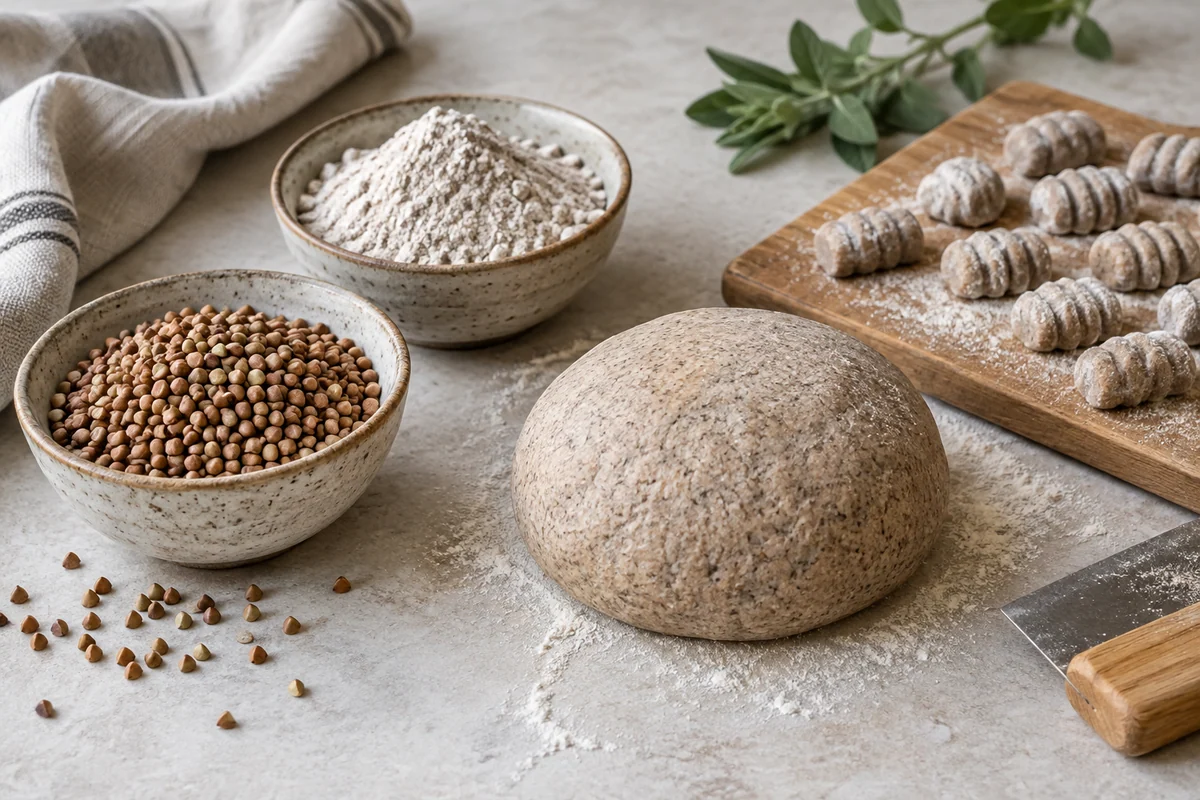
A stronger flavor for hearty companions
Cabbage, sage and melting cheese suit buckwheat's more pronounced character. In this dough, buckwheat flour joins potato and ordinary wheat flour rather than replacing every other ingredient. It is a flavor-led variation, not a gluten-free recipe.
Bread Gnocchi
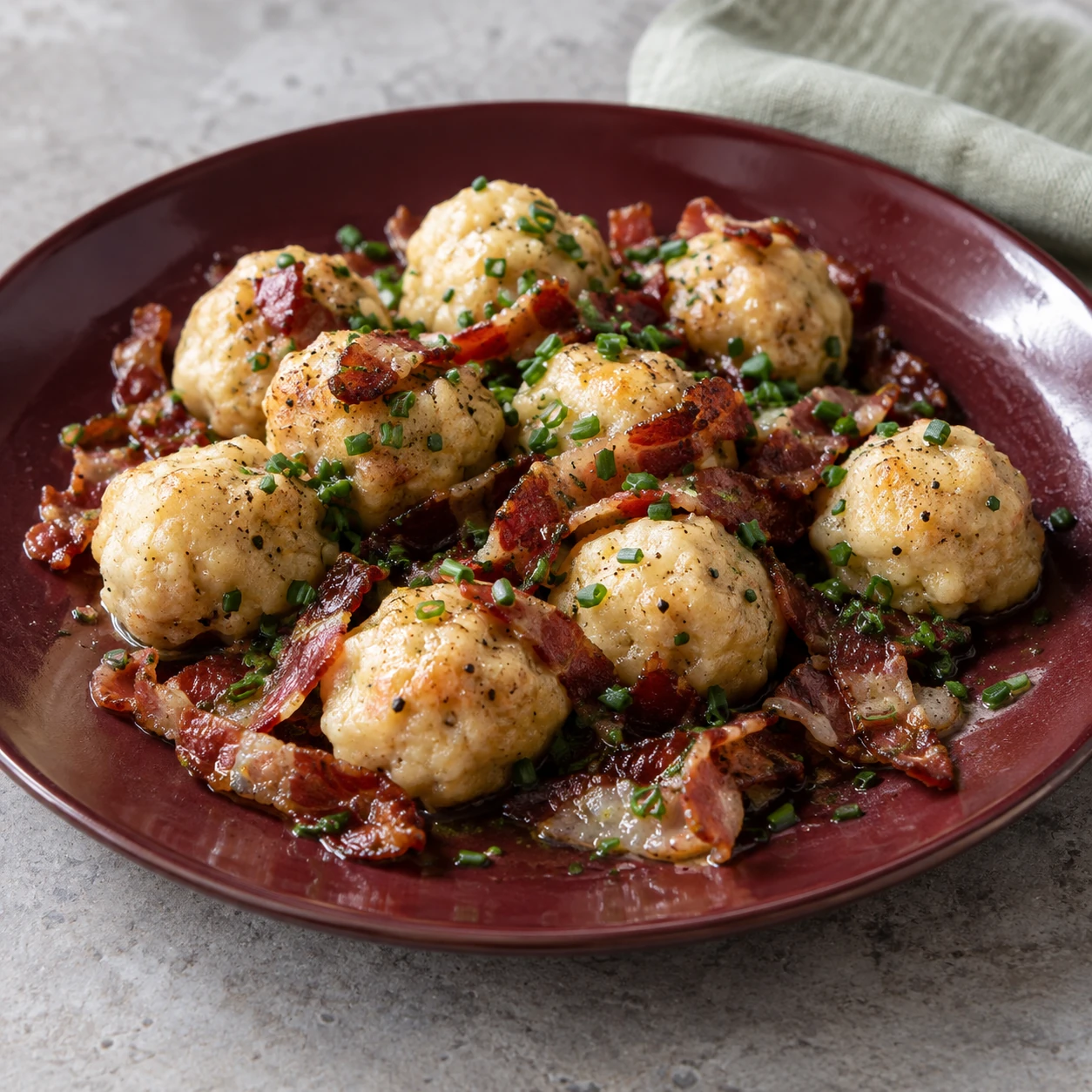
Bread gnocchi have a substantial, bread-rich center and a round shape. They sit closer to a soft bread dumpling than to small rolled pieces of potato dough.
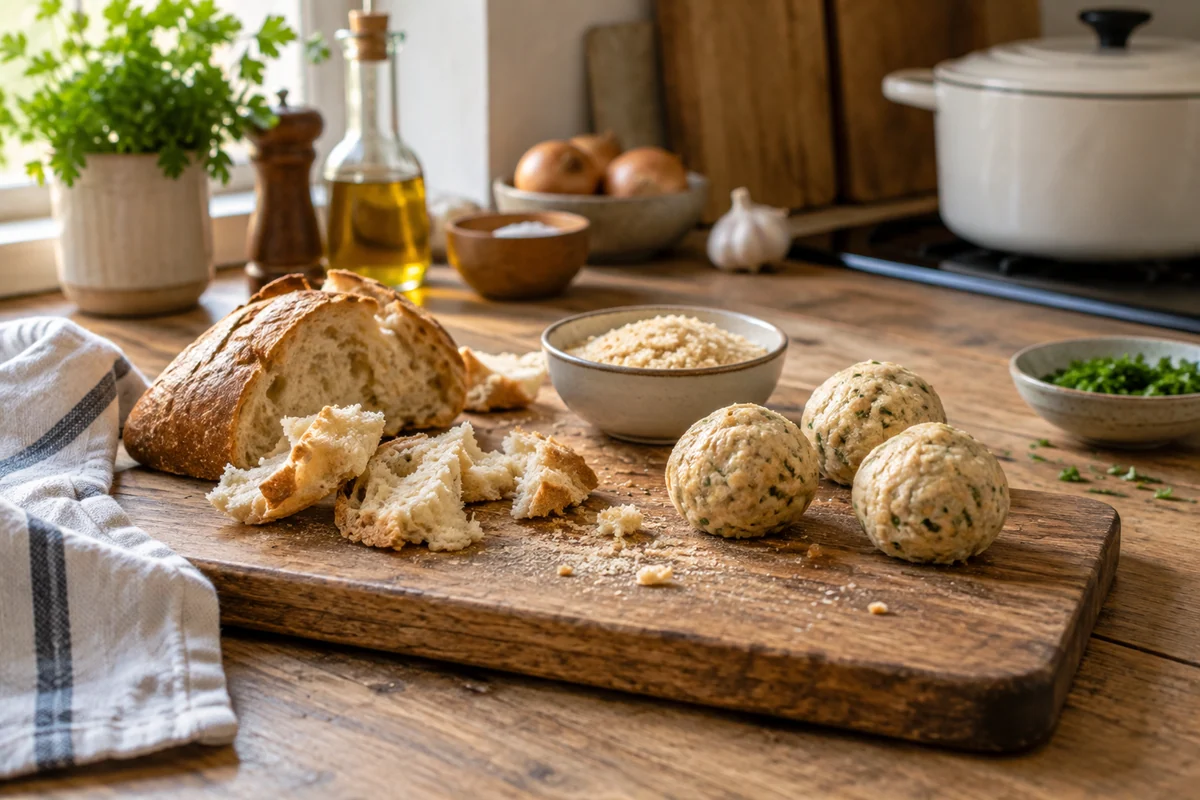
A different use for a loaf
Milk and egg soften and bind the bread, while cheese adds a savory note. Butter, herbs and smoked meat suit that heartier character without turning it into a dense sauce.
Sourdough Gnocchi
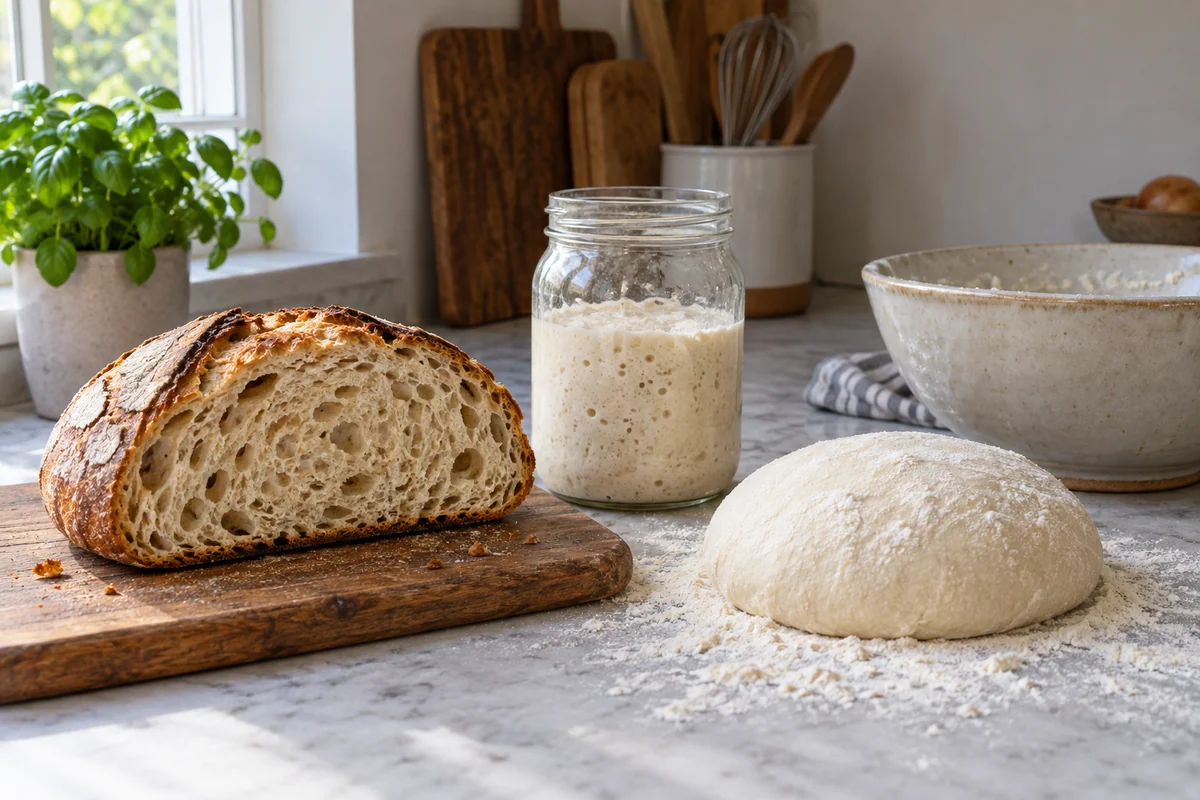
Sourdough discard gives potato gnocchi a gently tangy flavor. The familiar starter takes on a different role in small, soft dumplings.
Sourdough flavor without a bread texture
Starter joins potato and flour in these dumplings, contributing a cultured flavor that suits butter, chives and crème fraîche. It is another savory use for discard, with the potato still doing much of the work in the dough.